This week we looked at dialogue, first thing we covered was that at the beginning of cinema there was no sound.
Movies used slides to communicate what characters had said, these called "inter titles". Music would be accompanied live.
In 1909 M.N. Tropp came up with the idea to show additional text on the bottom of the screen - "subtitles".
These were cost effective and could be distributed worldwide.
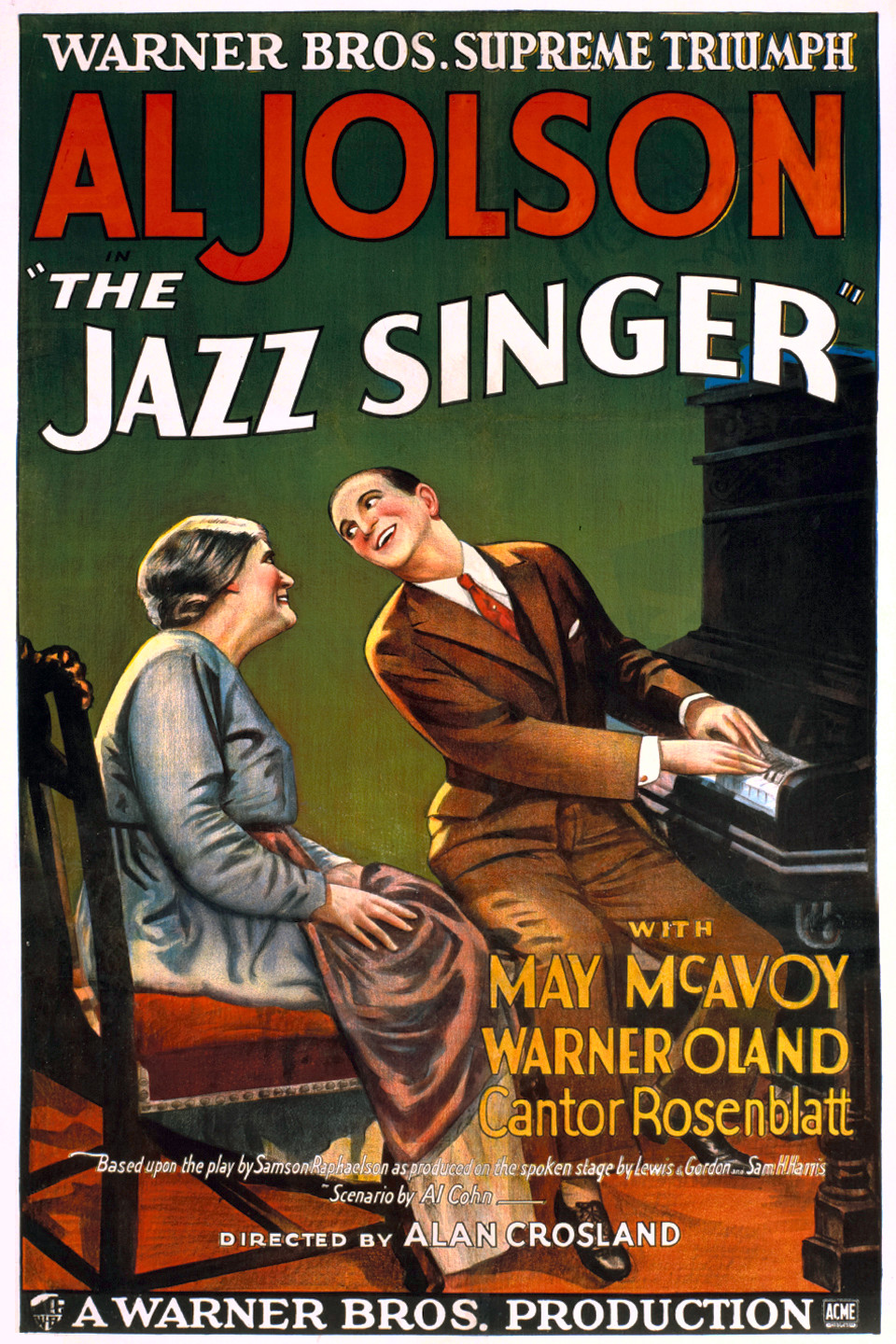
In 1927, "talkies" took over when The Jazz Singer was released with synchronized dialogue.
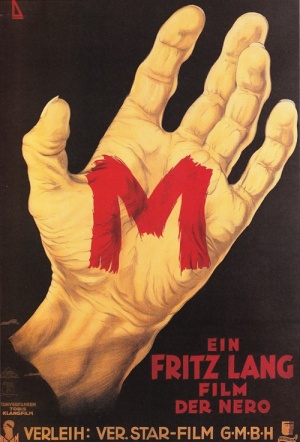
I remember watching Fritz lang's 1931 Picture "M" which was his first film with synchronized sound (he also directed Metropolis), he makes wonderful use of this new technique, giving the titular Murderer an iconic whistle.
_1000_420_90_c1.jpg)
To see how someone recently experimented with subtitles we looked at Timur Bekmambetov's Night Watch.
There is a school of thought that cinema is purely visual.
I think this depends on the film and story being told, some can be done quite clearly just through visuals but just like life there's a lot of textures and details that cannot be communicated purely through visual storytelling. I think keeping it just visual limits the type of stories that you can tell with film, they can still be effectively emotional and have deep themes, but there are a lot of interactions in our daily lives that would be difficult to communicate clearly. I think that dialogue and image are supportive of each other, you can show a social exchange and the change in hierarchy through staging and positioning of actors, or the specific things that the camera focuses on, but this is better support for interesting dialogue than just pure visuals. Keeping it just visual leaves things more to the audience to interpret like visual art, dialogue straightens those wrinkles a bit and places things more in stone.
Working in any absolute like this school of thought prevents you from exploring something to its fullest potential, but it can help to limit your storytelling to emphasize and perfect specific elements - like Dogme 95.
Traci gave us some examples of what modern films have a non-dialogue approach:
All is Lost (2013)

I haven't seen this movie but it is one of the ones I was thinking of as an example when I was trying to think of what modern films don't use dialogue much. I get the idea that its quite a simple story that escalates realistically.
I should check it out because its critically acclaimed, I wonder however how deep of a story can be told and whether or not the praise its received isn't maybe just due to its' good technical execution, somewhat determined by its lack of sound.
Moebius (2013)
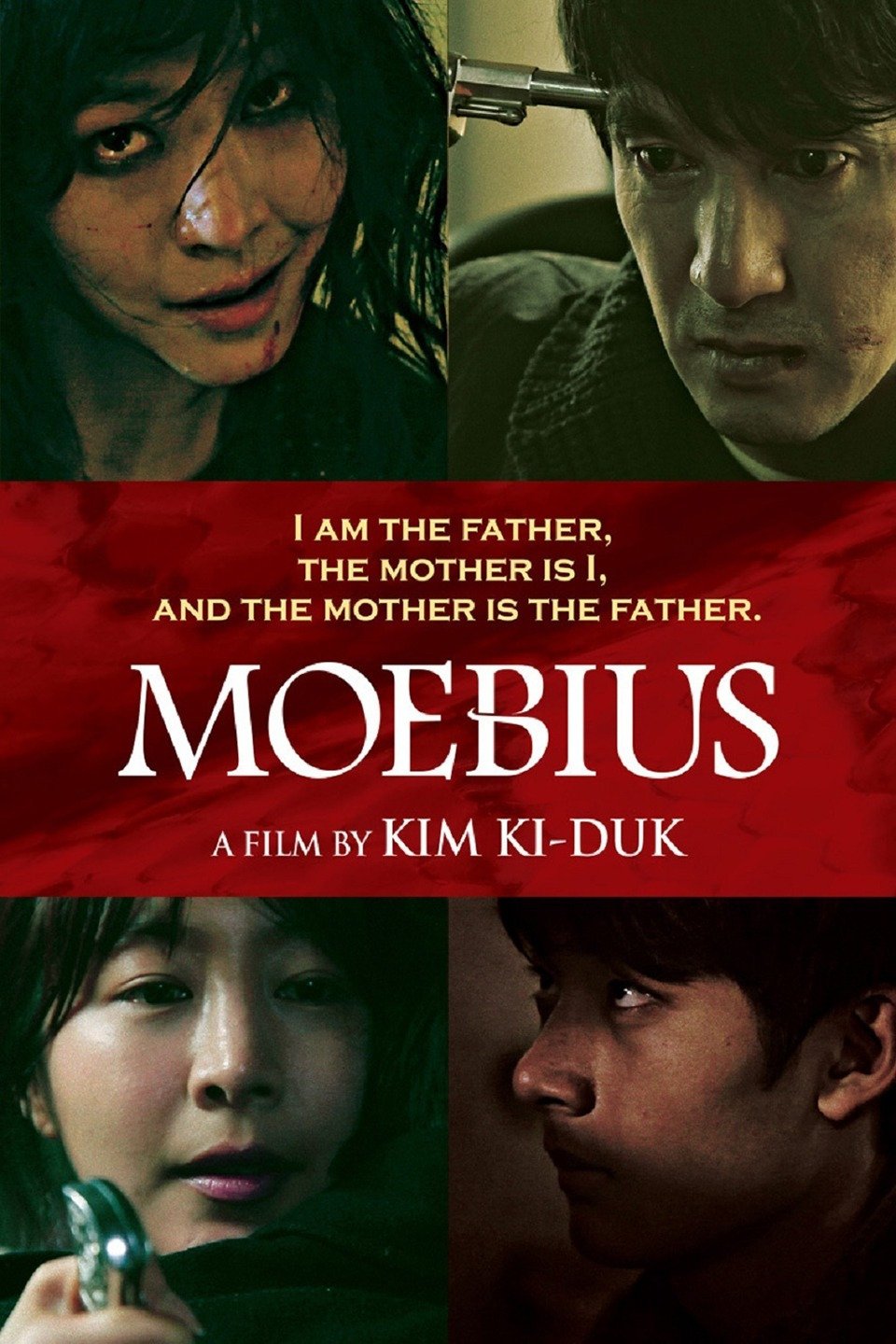
This 2013 Korean film is a no-dialogue film which centers on a family drama.
I really like the Korean movies that I have seen, so that along with the curiosity about how this would work with a interpersonal drama like this story seems to be makes me interested in checking out.
The Tribe (2014)

This movie is about a deaf boy who joins a deaf school, so no dialogue, but sign language is used.
There also dialogue-free stars, like Charlie Champ as The Little Tramp:
He reached the height of his film in the 1920s having his films screened in every continent and getting 70% of his revenue internationally. His films were universally appealing because they were purely visual and anyone with eyes could understand it.
This is another problem with the statement above about film being just visual - it excludes certain audiences, with more dialogue-heavy films blind and deaf people alike can enjoy the stories presented.
Mr. Bean is a bit of a follow-up to Chaplin, with Rowan Atkinson hardly using dialogue and relying primarily on physical comedy.
In class everyone seemed to have grown up with Mr. Bean, it was the same in Germany as well - again it seems to be more universally accessible because of relying mainly on visuals.
Mr. Bean was a lot of fun as per usual, I like how it takes everyday situations that we find awkward and amplifies that to a point where they are instantly recognizable. It has good escalation and wonderful twists, the episode we watched was the pilot, which sees him going to a math exam, visiting the beach and finally doing his godly duties and attending church.
Finally we watched Chaplin's City Lights (1931):
It's pretty great and I def wanna finish it.
_______________
We could do a film where it uses inter-titles like old films and no sound design and has a deaf person who lip-reads as the protagonist.
We have been working on a short film wherein a prostitute is called to a potential serial killer's apartment, this could be changed to be a deaf prostitute and the style (which was supposed to be like Good Time) could rather be in this style.
It would be interesting to see how our story - which is very sensational, with a quick pace - being straight into major plot developments - fits into this different style. I imagine it'll break the walls down a bit and put an extra focus on the structure and storytelling itself.
It would also be cool to see a movie in this old-style use a modern setting with things like smartphones.
Movies used slides to communicate what characters had said, these called "inter titles". Music would be accompanied live.
In 1909 M.N. Tropp came up with the idea to show additional text on the bottom of the screen - "subtitles".
These were cost effective and could be distributed worldwide.
In 1927, "talkies" took over when The Jazz Singer was released with synchronized dialogue.
I remember watching Fritz lang's 1931 Picture "M" which was his first film with synchronized sound (he also directed Metropolis), he makes wonderful use of this new technique, giving the titular Murderer an iconic whistle.
To see how someone recently experimented with subtitles we looked at Timur Bekmambetov's Night Watch.
There is a school of thought that cinema is purely visual.
I think this depends on the film and story being told, some can be done quite clearly just through visuals but just like life there's a lot of textures and details that cannot be communicated purely through visual storytelling. I think keeping it just visual limits the type of stories that you can tell with film, they can still be effectively emotional and have deep themes, but there are a lot of interactions in our daily lives that would be difficult to communicate clearly. I think that dialogue and image are supportive of each other, you can show a social exchange and the change in hierarchy through staging and positioning of actors, or the specific things that the camera focuses on, but this is better support for interesting dialogue than just pure visuals. Keeping it just visual leaves things more to the audience to interpret like visual art, dialogue straightens those wrinkles a bit and places things more in stone.
Working in any absolute like this school of thought prevents you from exploring something to its fullest potential, but it can help to limit your storytelling to emphasize and perfect specific elements - like Dogme 95.
Traci gave us some examples of what modern films have a non-dialogue approach:
All is Lost (2013)
I haven't seen this movie but it is one of the ones I was thinking of as an example when I was trying to think of what modern films don't use dialogue much. I get the idea that its quite a simple story that escalates realistically.
I should check it out because its critically acclaimed, I wonder however how deep of a story can be told and whether or not the praise its received isn't maybe just due to its' good technical execution, somewhat determined by its lack of sound.
Moebius (2013)
This 2013 Korean film is a no-dialogue film which centers on a family drama.
I really like the Korean movies that I have seen, so that along with the curiosity about how this would work with a interpersonal drama like this story seems to be makes me interested in checking out.
The Tribe (2014)
This movie is about a deaf boy who joins a deaf school, so no dialogue, but sign language is used.
There also dialogue-free stars, like Charlie Champ as The Little Tramp:
He reached the height of his film in the 1920s having his films screened in every continent and getting 70% of his revenue internationally. His films were universally appealing because they were purely visual and anyone with eyes could understand it.
This is another problem with the statement above about film being just visual - it excludes certain audiences, with more dialogue-heavy films blind and deaf people alike can enjoy the stories presented.
Mr. Bean is a bit of a follow-up to Chaplin, with Rowan Atkinson hardly using dialogue and relying primarily on physical comedy.
In class everyone seemed to have grown up with Mr. Bean, it was the same in Germany as well - again it seems to be more universally accessible because of relying mainly on visuals.
Mr. Bean was a lot of fun as per usual, I like how it takes everyday situations that we find awkward and amplifies that to a point where they are instantly recognizable. It has good escalation and wonderful twists, the episode we watched was the pilot, which sees him going to a math exam, visiting the beach and finally doing his godly duties and attending church.
Finally we watched Chaplin's City Lights (1931):
It's pretty great and I def wanna finish it.
_______________
We could do a film where it uses inter-titles like old films and no sound design and has a deaf person who lip-reads as the protagonist.
We have been working on a short film wherein a prostitute is called to a potential serial killer's apartment, this could be changed to be a deaf prostitute and the style (which was supposed to be like Good Time) could rather be in this style.
It would be interesting to see how our story - which is very sensational, with a quick pace - being straight into major plot developments - fits into this different style. I imagine it'll break the walls down a bit and put an extra focus on the structure and storytelling itself.
It would also be cool to see a movie in this old-style use a modern setting with things like smartphones.
Comments
Post a Comment